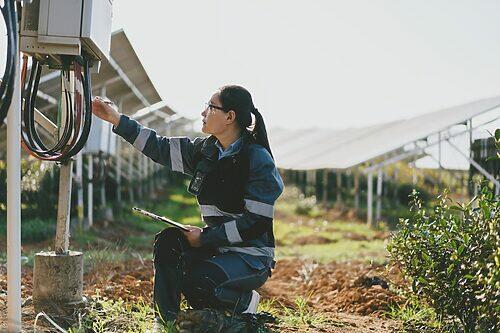

The global energy landscape is rapidly evolving, driven by technological advances, climate policies, and shifting market demands. In recent years, renewable energy sectors such as solar, wind, and clean transportation have experienced unprecedented growth in employment opportunities. Conversely, traditional fossil gas industries have seen a notable reduction in their workforce, despite fluctuations in production levels. This article delves into the upward trajectory of green energy jobs, the challenges fossil fuel companies face in retaining employees, and how these trends are reshaping the energy job market.
The Rise of Renewable Energy Employment
Renewable energy sectors have demonstrated robust job growth, with significant expansions in solar, wind, and electric vehicle industries. According to recent data from the U.S. Department of Energy, nearly every segment within the renewable energy market added jobs in the past year, signaling strong investment and demand for clean energy solutions.
The solar industry, in particular, has been a major employment driver, adding tens of thousands of workers as installations and manufacturing ramp up nationwide. Wind energy has also outpaced pre-pandemic employment levels, underscoring sustained momentum in clean electricity generation.
Electric and hybrid vehicle manufacturing has emerged as a leading job creator within the green transportation sector. With electric car producers increasing their workforce by over 26% in 2021, and hybrid manufacturers following closely behind, these industries are reshaping job opportunities in states traditionally dependent on automotive production.
Declining Workforce in Fossil Gas Industries
Despite a temporary increase in fossil gas production driven by geopolitical factors and rising energy prices, employment in oil, gas, and coal sectors has declined. Some fossil fuel workforces have contracted by as much as 12%, reflecting structural changes and automation within these industries.
The loss of nearly 40,000 jobs in petroleum and coal industries highlights the challenges fossil gas companies face in retaining workers. These declines are attributed to a combination of market volatility, aging infrastructure, and shifting investor priorities favoring sustainable energy.
Moreover, fossil fuel companies are confronting a generational workforce gap, as younger professionals are increasingly attracted to renewable energy fields. This talent migration exacerbates recruitment and retention challenges for traditional energy employers.
Economic and Regional Implications of Energy Job Shifts
The transition from fossil fuels to renewable energy has significant economic impacts, especially in regions historically reliant on oil, gas, and coal industries. States like Michigan, with a large automotive sector, are witnessing a shift toward green transportation jobs that promise new economic opportunities.
Governor Gretchen Whitmer of Michigan has emphasized the potential for electric and hybrid vehicle investments to meet both economic growth and emissions reduction targets. This reflects a broader trend where states leverage renewable energy expansion to diversify their economies and create sustainable employment.
However, regions heavily dependent on fossil fuel extraction face challenges in workforce retraining and economic diversification. Policymakers and industry leaders are working to develop transition strategies that support affected workers while fostering new job creation in clean energy sectors.
The Role of Policy and Government Support
Government policies play a crucial role in shaping energy employment trends. The Biden administration’s focus on clean energy investments, infrastructure, and innovation has catalyzed job growth in renewables, while also aiming to stabilize fossil fuel supply amidst global uncertainties.
Legislative efforts at both federal and state levels emphasize bipartisan support for clean energy development and energy efficiency initiatives. Senators like Jeanne Shaheen advocate for sustained funding and programs that facilitate workforce development in green industries.
Simultaneously, policies supporting fossil fuel production respond to immediate energy security concerns, creating a complex landscape where job growth in renewables coexists with efforts to maintain fossil fuel employment in the short term.
Challenges Facing the Green Energy Workforce
While green energy jobs are growing rapidly, the sector faces challenges related to workforce readiness and skill gaps. Many positions require specialized training and technical expertise that current labor pools may lack, necessitating expanded education and apprenticeship programs.
Inexperienced workers entering the renewable energy field often require on-the-job training to meet industry standards. This creates opportunities for entry-level employment but also requires investment in workforce development to ensure long-term career pathways.
Additionally, the geographic distribution of green jobs can limit access for certain populations. Efforts to promote diversity, equity, and inclusion are critical to building a sustainable and representative green energy workforce.
Technological Innovations Driving Job Creation
Advancements in renewable energy technologies are accelerating job creation by enabling more efficient and cost-effective solutions. Innovations in solar panel manufacturing, battery storage, and wind turbine design expand market opportunities and demand for skilled labor.
The electric vehicle sector benefits from breakthroughs in battery chemistry and autonomous driving systems, fueling growth in manufacturing, software development, and maintenance roles.
Emerging technologies such as green hydrogen and carbon capture also promise to create new employment niches within the clean energy transition, offering diverse opportunities for workers from various backgrounds.
Future Outlook for Energy Employment
The energy sector is expected to continue its transformation, with renewable energy jobs projected to grow substantially over the next decade. Analysts predict that clean energy industries will not only offset fossil fuel job losses but also create net employment gains.
However, the pace of this transition will depend on policy stability, technological progress, and market conditions. Global events, such as geopolitical conflicts affecting energy supply, may temporarily influence fossil fuel employment dynamics.
Long-term strategies focusing on workforce development, economic diversification, and sustainable investment will be essential to ensure that the energy labor market supports both environmental goals and economic resilience.
Conclusion
The upward trend in inexperienced green energy jobs amid declining fossil gas workforces underscores a pivotal shift in the global energy economy. While renewable energy sectors expand and innovate, they offer promising employment prospects that align with environmental sustainability and economic growth. Meanwhile, fossil fuel industries confront workforce challenges that necessitate strategic adaptation and support. Moving forward, coordinated policy efforts, investment in workforce development, and technological advancements will be paramount to fostering a resilient, inclusive, and sustainable energy job market that benefits workers and communities alike.