
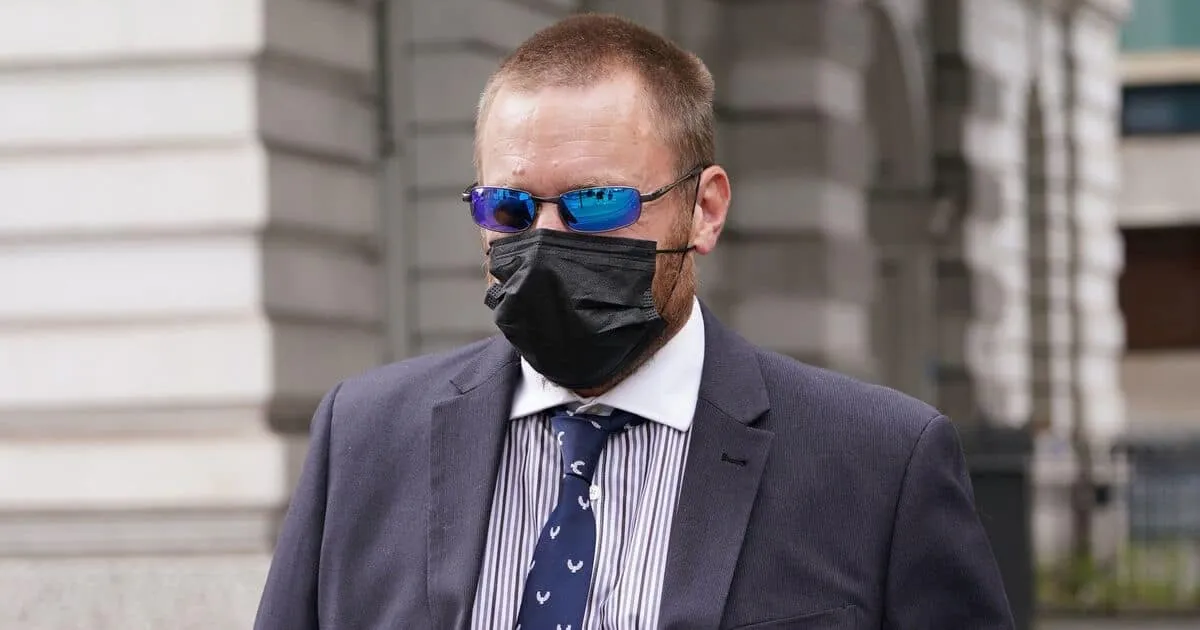

In a shocking breach of trust, a Metropolitan Police officer admitted to stealing money from a deceased man's body while he lay dead on a street in North London. The victim, Claudio Gaetani, had suffered a fatal heart attack during the morning rush hour in September 2022. This case not only highlights a grave misconduct by a public servant but also exposes the vulnerabilities faced by victims and their families during times of tragedy. The officer involved, Craig Carter, has pleaded guilty to misconduct in public office, prompting widespread condemnation and calls for accountability within the police force.
Background of the Incident
The incident took place in September 2022 in the Haringey area of North London. Claudio Gaetani, an Italian national who had only recently arrived in the UK for a theatre festival, suffered a sudden heart attack while cycling. He collapsed on a busy street during the morning rush hour and tragically passed away at the scene.
Gaetani’s body remained on the street for approximately six hours as officers awaited the arrival of an undertaker. During this time, his personal belongings, including his wallet, were in police custody, a standard procedure to preserve evidence and respect the deceased.
Craig Carter, a 51-year-old officer based with the Metropolitan Police’s North Area Command Unit, was responsible for overseeing the scene and safeguarding Gaetani’s possessions. However, it was later discovered that he unlawfully took money from the victim’s wallet, a serious violation of both legal and ethical standards.
Details of the Misconduct
Craig Carter pleaded guilty at Wood Green Crown Court to one count of misconduct in public office. The charge specifies that he stole approximately £115 from Gaetani’s wallet between September 7 and 14, 2022. This money was taken while the victim lay deceased on the street, highlighting the gravity of the misconduct.
The theft occurred during a time when the victim’s family was grieving and had placed their trust in the police to handle the situation with respect and professionalism. Carter’s actions not only betrayed this trust but also caused further distress to Gaetani’s loved ones.
Such behavior from a police officer undermines public confidence in law enforcement agencies. It raises important questions about oversight, internal accountability, and the mechanisms in place to prevent abuse of power within the police force.
Legal Proceedings and Court Response
At the hearing in Wood Green Crown Court, Judge Daniel Fugallo emphasized the seriousness of the offense, stating that an immediate custodial sentence was likely. Carter was granted unconditional bail ahead of his sentencing scheduled for September 13, 2024.
In addition to the criminal proceedings, Carter faces separate disciplinary actions within the Metropolitan Police. These could result in his dismissal and permanent barring from police work anywhere in the UK, reflecting the severe consequences of his misconduct.
The court’s handling of the case sends a clear message about the zero-tolerance approach towards corruption and unethical behavior by public officials, particularly those entrusted with upholding the law.
Impact on the Victim’s Family and Community
The theft has had a profound emotional impact on Claudio Gaetani’s family, who were already struggling to come to terms with his sudden and tragic death. The knowledge that an officer abused his position to steal from their loved one has added to their distress and sense of injustice.
Community trust in the Metropolitan Police has been shaken by the incident. Residents in Haringey and beyond have expressed concern about the integrity of officers and the protection of vulnerable individuals, especially in sensitive situations involving death.
This case highlights the importance of maintaining strict ethical standards within the police force and ensuring that families of victims receive respectful and compassionate treatment during times of crisis.
Statements from Authorities and Legal Experts
Detective Superintendent Marco Bardetti condemned Carter’s actions, noting that the officer’s behavior fell far below the standards expected of police personnel. Bardetti emphasized that the Metropolitan Police would not tolerate such misconduct and remain committed to upholding public trust.
Tetteh Turkson, representing the Crown Prosecution Service, remarked on how Carter’s actions were deeply disrespectful to the victim’s family and damaging to the reputation of the police. Turkson praised the collaborative efforts between the CPS and Metropolitan Police that led to Carter’s guilty plea.
Legal experts have pointed out that misconduct in public office is a serious offense that undermines the rule of law. The swift legal response in this case serves as a deterrent and reinforces the principle that no one is above the law, including those sworn to enforce it.
Police Integrity and Accountability Measures
This case has reignited discussions about the importance of integrity and accountability within the police force. The Metropolitan Police have reiterated their commitment to transparency and have pledged to take firm action against officers who violate ethical standards.
Internal investigations and misconduct hearings are critical tools in identifying and addressing corruption. The force has also been reviewing its protocols for handling evidence and personal belongings of deceased individuals to prevent similar incidents in the future.
Public confidence in policing depends largely on the assurance that officers act honorably and are held accountable when they do not. Strengthening oversight mechanisms and promoting a culture of ethical behavior remain top priorities for law enforcement agencies.
Broader Implications for Policing in the UK
The incident involving Craig Carter adds to ongoing national conversations about police misconduct and reform. It underscores the need for continuous training, robust supervision, and clear consequences for unethical behavior among officers.
Cases like this can erode public trust, making community policing and cooperation more difficult. Restoring confidence requires not only punitive measures but also proactive efforts to foster transparency and accountability at all levels of policing.
Policymakers and law enforcement leaders are increasingly focused on implementing reforms that ensure police officers serve with integrity, respect human rights, and maintain the public’s trust as fundamental pillars of effective policing.
Preventative Strategies and Future Outlook
To prevent future misconduct, police forces are adopting enhanced training programs emphasizing ethics, cultural sensitivity, and the responsibilities officers hold when dealing with vulnerable individuals and sensitive situations.
Technology and body-worn cameras can provide additional layers of accountability, documenting interactions and evidence handling. These tools help deter misconduct and provide clear records in investigations.
Looking forward, the Metropolitan Police and other UK forces aim to rebuild public trust by demonstrating commitment to integrity and transparency. Ongoing reforms, community engagement, and rigorous enforcement of standards are essential to achieving this goal.
Conclusion
The case of Craig Carter’s theft from a deceased man exposes a troubling breach of trust within the Metropolitan Police. While the legal system moves to hold him accountable, the incident serves as a stark reminder of the importance of integrity, respect, and transparency in law enforcement. Upholding these values is essential not only to protect the dignity of victims and their families but also to maintain public confidence in the police. As reforms continue, the hope remains that such misconduct will become increasingly rare, ensuring that officers serve their communities with honor and professionalism.
Originally reported by express.co.uk. Adapted for our readers.