
The Voice of Nigeria (VON), Nigeria’s official international broadcasting service, is embracing a new era of reform and revitalization under the stewardship of Director General Jibrin Baba Ndace. With a clear vision to reposition VON as a true instrument of national power, the DG has embarked on comprehensive institutional reforms that span technological upgrades, strategic partnerships, and staff welfare enhancements. These efforts aim to elevate VON’s role in national development and international broadcasting, ensuring Nigeria’s voice resonates across Africa and the world. This article delves into the multi-faceted initiatives driving VON’s transformation and the broader implications for Nigeria’s media landscape.
A Visionary Leadership Steering Institutional Reform
Since his appointment, Director General Jibrin Baba Ndace has demonstrated unwavering commitment to repositioning the Voice of Nigeria as a beacon of national influence. His leadership philosophy centers on institutional renewal, operational excellence, and national service, with a focus on transforming VON into a globally respected broadcaster.
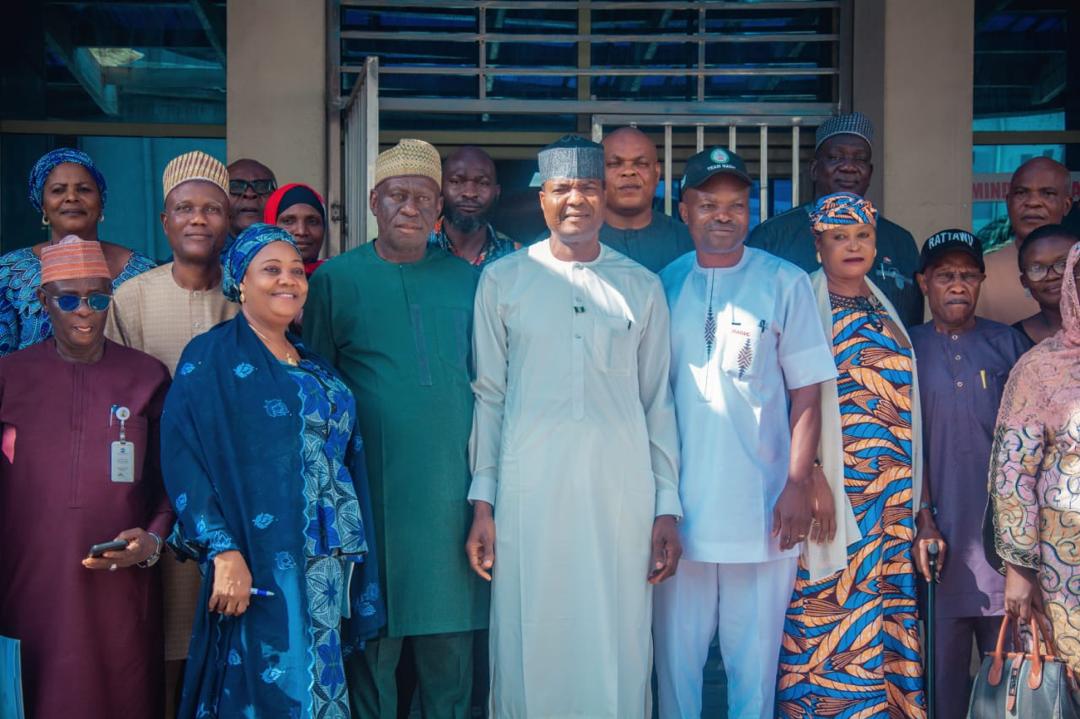
DG Ndace’s approach includes transparent engagement with stakeholders, evidenced by his warm reception of the newly elected leadership of the Radio, Television, Theatre and Arts Workers’ Union (RATTAWU). This gesture underscores his belief in collaborative governance and the power of organised labour in driving public service transformation.
Under his guidance, VON is not merely undergoing cosmetic changes but a fundamental reorientation that aligns with Nigeria’s broader national development objectives. The DG’s vision integrates modern broadcasting technologies with strategic human resource management to foster a resilient and adaptive institution.
Reviving Broadcasting Capabilities with Digital Innovation
A cornerstone of VON’s renaissance is the restoration of its 250KW Digital Radio Mondiale (DRM) transmitter, a technological upgrade that marks the return of shortwave broadcasting after more than a decade. This revival is critical for expanding Nigeria’s reach across Africa and into international territories.
The DRM technology not only enhances signal clarity and coverage but also positions VON to compete effectively in the digital era. With the support of President Bola Ahmed Tinubu and the Honourable Minister of Information and National Orientation, this initiative reflects a government-backed commitment to modernize Nigeria’s international broadcasting infrastructure.
Beyond hardware upgrades, VON’s transformation embraces digital content innovation, including the integration of artificial intelligence and corporate risk management training for staff. These efforts collectively aim to improve content quality, operational efficiency, and audience engagement.
Strengthening International Partnerships for Global Reach
DG Ndace recognizes that global relevance requires robust international collaborations. VON has renewed partnerships with broadcasting organizations in China, Tanzania, Egypt, Saudi Arabia, Indonesia, and Côte d’Ivoire, among others. These alliances are strategic in positioning VON as a vital communication bridge between Africa and the rest of the world.
A notable development is the engagement with the Chinese Embassy to support Mandarin-language broadcasting, which aligns with VON’s multilingual expansion agenda. This initiative not only broadens VON’s audience base but also strengthens diplomatic and cultural ties.
Additionally, collaborations with domestic institutions such as the Administrative Staff College of Nigeria (ASCON), Nigerian Communications Commission (NCC), and National Information Technology Development Agency (NITDA) are enhancing digital growth and staff capacity. These partnerships ensure that VON remains at the forefront of broadcasting technology and innovation.
Prioritizing Staff Welfare and Capacity Building
Recognizing that staff are VON’s greatest asset, DG Ndace has placed significant emphasis on staff welfare and professional development. Regular payment of the thirteenth-month salary and improved working conditions reflect the administration’s commitment to valuing its workforce.
The first staff retreat in over ten years was a pivotal moment for strategic reflection and engagement. It fostered a culture of accountability, resulting in the signing of performance bonds with directors and the introduction of training programs focused on emerging technologies and corporate governance.
These initiatives are designed to nurture a motivated, skilled, and innovative workforce capable of driving VON’s transformation. The DG’s transparent communication regarding staff redeployments, framed as necessary administrative adjustments, further demonstrates a people-centric approach to reform.
Fostering Responsible Unionism and Collaborative Governance
DG Ndace advocates for a constructive partnership between management and organised labour, emphasizing responsible unionism that balances workers’ rights with the need for innovation and restructuring. His dialogue with RATTAWU’s leadership highlights a shared commitment to progressive public service.
The democratic election of RATTAWU’s leadership, which underwent a rigorous 20-hour process, exemplifies the strength and vitality of organised labour within Nigeria’s public sector. DG Ndace’s praise for this process reflects his respect for institutional democracy and collective bargaining.
By encouraging RATTAWU to partner in governance reforms, the DG aims to create an environment where performance-based management thrives alongside worker protections. This approach is critical for sustaining long-term institutional growth and national service excellence.
Aligning VON with Nigeria’s Renewed Hope Age
The reforms at VON are closely aligned with Nigeria’s broader vision of a Renewed Hope Age, which emphasizes national unity, technological advancement, and international cooperation. DG Ndace’s leadership ensures that VON contributes meaningfully to this national agenda.
By leveraging digital transformation, staff empowerment, and strategic partnerships, VON is positioned to amplify Nigeria’s voice on the global stage, promoting the country’s interests and cultural heritage effectively.
This alignment also reflects a commitment to transparency, accountability, and results-driven governance, which are foundational pillars for Nigeria’s socio-economic development in the 21st century.
Navigating Challenges and Embracing Change
Transforming a legacy institution like VON is not without challenges. The DG acknowledges that reforms can be difficult, especially when they involve staff redeployments and operational shifts. However, he stresses that these changes are essential for lasting progress and institutional resilience.
Many staff members have embraced the redeployment exercise with renewed dedication, recognizing its role in enhancing service delivery and operational efficiency. This attitude reflects a growing culture of adaptability and professionalism within VON.
DG Ndace’s transparent communication and emphasis on staff engagement throughout the reform process have been critical in mitigating resistance and fostering a collaborative environment conducive to innovation.
Conclusion
The Voice of Nigeria is undergoing a critical transformation under the visionary leadership of Director General Jibrin Baba Ndace. Through strategic reforms, technological modernization, strengthened partnerships, and a focus on staff welfare, VON is reclaiming its rightful place as a powerful instrument of national influence and global communication. This renewal not only amplifies Nigeria’s voice across Africa and beyond but also embodies the principles of good governance, innovation, and national pride. As VON continues on this path, it stands as a testament to the potential of public institutions to evolve and lead in a rapidly changing media landscape.
Originally reported by prnigeria.com. Adapted for our readers.