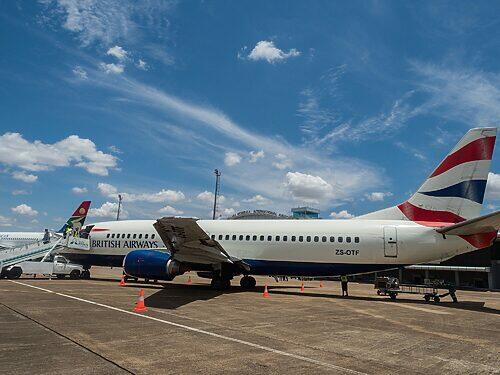

Comair, the South African airline operator known for running British Airways and Kulula.com domestically, has recently applied for liquidation following severe financial distress. The company, which had been under business rescue, faced insurmountable challenges including the COVID-19 pandemic’s impact, international travel restrictions, and regulatory hurdles. In response, President Cyril Ramaphosa addressed the nation, explaining that the government’s inability to provide further assistance stems from ‘restricted resources.’ This article delves into the factors influencing the government's stance, the implications for the aviation and tourism sectors, and the broader economic context shaping these decisions.
Comair’s Financial Collapse: A Closer Look
Comair’s journey into financial distress culminated in the company applying for liquidation after its business rescue practitioners indicated there was no viable prospect for rescue. The airline, which operates the domestic British Airways franchise and low-cost carrier Kulula.com, suspended flights on May 31. The company cited the devastating impact of the COVID-19 pandemic, including South Africa’s placement on various international red lists, which severely restricted passenger traffic.
Moreover, Comair’s operational challenges were compounded by a temporary suspension of its license by South African civil aviation authorities, further exacerbating its financial woes. The airline’s inability to generate sufficient revenue during the pandemic underscored the fragile state of the aviation sector globally and highlighted the vulnerability of smaller operators in a crisis.
The liquidation application marks a significant blow to South Africa’s aviation industry, given Comair’s substantial market share and contribution to connectivity within the region. The airline’s collapse raises concerns about job losses and the broader economic repercussions on related sectors.
President Ramaphosa’s Explanation: The Reality of ‘Restricted Resources’
During a question-and-answer session, President Cyril Ramaphosa addressed concerns about why the government is intervening to rescue some state-owned enterprises (SOEs) like South African Airways (SAA) but not private companies such as Comair. He emphasized that the government's ability to provide financial assistance is limited by finite resources and the need to prioritize interventions strategically.
Ramaphosa explained that government support often comes in the form of guarantees for SOEs, but in recent times, direct financial injections were necessary for entities like SAA and Eskom to prevent systemic failures. He highlighted the challenge of balancing fiscal responsibility with the imperative to preserve jobs and economic stability.
The president also referenced international precedents, noting that other countries have taken measures to support critical industries during crises. However, he stressed that such interventions require careful consideration, particularly regarding the long-term viability and repayment prospects of the companies involved.
Government Prioritization: State-Owned Enterprises vs. Private Sector
The government’s approach to economic rescue has largely focused on state-owned enterprises, which play critical roles in infrastructure, transport, and energy. Entities like SAA and Eskom are considered vital to national interests, warranting direct financial support despite their financial difficulties. This prioritization reflects the government's responsibility to maintain essential services and prevent broader economic disruption.
In contrast, private companies such as Comair operate within a competitive market and are expected to sustain themselves without direct government bailouts. Ramaphosa acknowledged that while it is unfortunate for companies to fail, especially when jobs are at stake, the government must allocate limited resources judiciously.
Nonetheless, the president expressed openness to exploring more trade-focused strategies to support sectors that generate employment, indicating that future policy adjustments could consider broader economic impacts beyond SOEs.
Impact on South Africa’s Aviation Sector and Tourism Industry
The liquidation of Comair has significant implications for South Africa’s aviation sector. Comair operated approximately 40% of the country’s air capacity, making its exit a substantial reduction in available flights for both domestic and international travelers. This contraction threatens to limit connectivity and increase travel costs due to reduced competition.
Tourism Minister Lindiwe Sisulu described Comair’s collapse as detrimental, particularly as the tourism sector was beginning to recover from the pandemic-induced downturn. The loss of flights could restrict access to key destinations, undermining efforts to revitalize tourism and associated industries.
The minister also expressed concerns that remaining airlines might raise fares in the absence of Comair’s competitive pricing, potentially making South Africa less accessible to tourists and impacting the broader economy reliant on travel and hospitality.
Labor and Union Reactions Amid Comair’s Liquidation
The National Union of Metalworkers of South Africa (Numsa) has been vocal in responding to Comair’s financial crisis, calling for accountability and leadership changes. The union has specifically demanded the removal of Comair CEO Glenn Orsmond, attributing part of the company’s downfall to management decisions during the crisis.
Numsa has also criticized the business rescue practitioners overseeing Comair’s restructuring, arguing that their approach has not adequately protected employees’ interests or explored alternatives to liquidation. The union’s stance reflects broader labor concerns about job security and fair treatment during corporate insolvencies.
These developments highlight the tension between management, labor, and government stakeholders in navigating the fallout of Comair’s financial collapse, with workers seeking to safeguard their livelihoods amid uncertainty.
Broader Economic Context: Challenges Facing South Africa’s Aviation Industry
South Africa’s aviation industry has faced multifaceted challenges over recent years, including fluctuating demand, regulatory pressures, and the devastating effects of the COVID-19 pandemic. Travel restrictions and border closures sharply reduced passenger volumes, leading to revenue losses across the sector.
The pandemic also exposed structural vulnerabilities, such as high operational costs and limited access to capital for smaller carriers. These factors have made the industry susceptible to shocks, with airlines like Comair struggling to maintain financial viability.
Government policies and global economic conditions will continue to influence the sector’s recovery trajectory. Strategic investments, regulatory reforms, and support mechanisms may be necessary to restore resilience and competitiveness in the post-pandemic era.
Potential Future Strategies: Balancing Support and Fiscal Responsibility
President Ramaphosa hinted at the need for the government to adopt a more trade-focused approach to economic support, aiming to preserve jobs and stimulate growth in key sectors. This could involve targeted assistance beyond SOEs, potentially including private companies critical to employment and economic activity.
However, any expansion of government aid must be balanced against fiscal constraints and the risk of creating unsustainable dependencies. Transparent criteria and robust oversight will be essential to ensure that support is effective and aligned with long-term economic goals.
The government may also explore partnerships with private investors and international stakeholders to mobilize additional resources, reducing the burden on public finances while fostering sectoral recovery.
Conclusion
The collapse of Comair underscores the profound challenges facing South Africa’s aviation sector and the limitations of government intervention amid fiscal constraints. President Ramaphosa’s acknowledgment of ‘restricted resources’ reflects the difficult decisions policymakers must make in balancing economic support with sustainable public finances. While the liquidation of Comair poses risks to connectivity, jobs, and tourism, it also highlights the need for a strategic, trade-focused approach to economic recovery. Moving forward, collaboration between government, industry, and labor will be critical to rebuilding a resilient aviation sector that supports broader economic growth and employment.