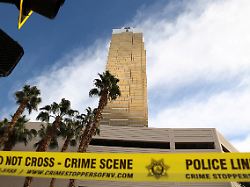

On January 1, 2025, a shocking incident unfolded in Las Vegas when a Tesla Cybertruck exploded in front of the Trump International Hotel. The explosion occurred around 8:40 a.m. local time, causing one fatality and injuring seven bystanders. The event has sparked widespread concern and speculation, especially given the vehicle’s futuristic design and Tesla’s reputation. Officials and experts are investigating the cause, considering possibilities ranging from an explosive device to technical malfunction. This article provides a comprehensive overview of the incident, official statements, ongoing investigations, and implications for vehicle safety and public security.
The Incident: What Happened at the Trump International Hotel?
On the morning of January 1, 2025, a Tesla Cybertruck detonated in front of the Trump International Hotel located on the bustling Las Vegas Boulevard. Witnesses reported seeing smoke emanating from the vehicle moments before a massive explosion rocked the entrance area. The explosion was so intense that it caused significant damage to the surrounding area and resulted in the death of the person inside the vehicle.
Emergency responders arrived promptly at the scene after receiving an alarm about a fire in the valet parking zone. Seven people nearby sustained minor injuries from debris and shockwaves but were treated on-site or at local hospitals. Las Vegas Sheriff Kevin McMahill described the event as a “large explosion” and emphasized the immediate precautions taken to ensure public safety.
The timing and location of the explosion — New Year’s Day at a high-profile hotel — have raised concerns about potential motives and security vulnerabilities. The hotel, known for its association with former President Donald Trump, is a frequent target of high security, which further intensified the response from law enforcement agencies.
Initial Investigations and Official Responses
Authorities launched a full-scale investigation immediately after the incident. The FBI and local law enforcement agencies have been combing through surveillance footage, witness statements, and forensic evidence to determine the cause. According to lead FBI investigator Jeremy Schwartz, many questions remain unanswered, and officials are cautiously exploring all possibilities, including terrorism.
Tesla CEO Elon Musk weighed in on the incident through social media, suggesting that the explosion was unlikely to be caused by a technical failure. Musk indicated that the blast might have been triggered by an explosive device or a large firework placed in the truck’s loading area. He reassured the public that telematics data from the Cybertruck showed no signs of malfunction prior to the explosion.
U.S. President Joe Biden commented on ongoing investigations, ordering federal agencies to examine potential links between this explosion and other recent violent incidents in the country. Although no direct connection has been established, authorities remain vigilant given heightened security concerns following previous attacks, including one in New Orleans on New Year’s Eve.
Tesla Cybertruck: A Brief Overview
The Tesla Cybertruck is a futuristic all-electric pickup truck introduced by Tesla in late 2023. Known for its angular design and robust build, the Cybertruck has captured significant attention for its innovative features and heavy-duty capabilities. It weighs approximately three tons and incorporates advanced battery and electric motor technology.
Despite its cutting-edge design, the Cybertruck has not yet been registered in Europe and remains primarily available in the United States. Since its launch, it has been praised for performance but also scrutinized for safety and durability, especially as electric vehicle technology continues to evolve.
The explosion at the Trump Hotel marks one of the first major incidents involving a Cybertruck, prompting renewed discussions about the safety protocols of electric vehicles, especially in high-profile urban environments. Experts emphasize that electric vehicles require different safety measures compared to traditional combustion-engine vehicles, particularly when it comes to fire hazards.
The Role of Explosive Devices and Terrorism Concerns
Investigators are particularly focused on the possibility that the explosion was caused by an explosive device, rather than a mechanical failure. Surveillance footage shows smoke emerging from the hubcap area before the detonation, supporting theories of an external ignition source. Authorities are conducting thorough searches for additional devices in the vicinity.
The timing of the incident, coinciding with New Year’s celebrations, and its occurrence at a politically significant location have heightened fears of a terror attack. Law enforcement agencies are examining potential links to extremist groups, including the Islamic State, especially in light of recent violent incidents nationwide.
While no definitive evidence has been released connecting the explosion to terrorism, the incident has reignited debates about domestic security and the vulnerability of public spaces, particularly those associated with prominent figures and political symbolism.
Electric Vehicle Safety and Fire Risks
Electric vehicles (EVs) like the Tesla Cybertruck operate with high-voltage battery packs that require specialized safety measures. Unlike traditional vehicles with internal combustion engines, EV fires can be harder to extinguish and may burn longer due to the chemical properties of lithium-ion batteries.
Automotive experts point out that EV fires often start differently and spread rapidly, presenting unique challenges for firefighters and first responders. The Cybertruck explosion has drawn attention to the need for updated emergency protocols and better public awareness regarding EV fire hazards.
Tesla has faced scrutiny in the past regarding fire incidents, including a 2024 investigation by the National Highway Traffic Safety Administration (NHTSA) into a Tesla semi-truck crash that resulted in a fire on a California highway. These incidents underscore the importance of continuous safety evaluations and technological improvements.
Public and Media Reactions
News of the Cybertruck explosion quickly spread across social media platforms and news outlets, sparking intense public interest and speculation. Many users expressed shock that such a high-profile, technologically advanced vehicle could be involved in a deadly explosion, while others focused on the political implications given the location.
Media coverage has been extensive, with outlets providing live updates and expert commentary. Some opinion pieces have debated the safety of electric vehicles, while others analyze the potential security lapses at prominent landmarks. The incident has also fueled discussions on the future of electric vehicle technology and urban safety.
Public officials and Tesla representatives have urged calm and patience as investigations continue. Meanwhile, calls for enhanced security measures around key locations and improved vehicle safety standards have gained momentum in political and industry circles.
Implications for Tesla and the Electric Vehicle Industry
The explosion incident poses significant challenges for Tesla as it navigates public confidence and regulatory scrutiny. While Tesla’s telematics data suggested no internal fault, the association with an explosive device raises questions about vehicle security and vulnerability to sabotage.
Industry analysts predict that this event could accelerate regulatory efforts aimed at improving electric vehicle safety standards, including more rigorous testing against external threats and enhanced emergency response protocols. Tesla and other manufacturers may need to invest further in security features and fail-safe mechanisms.
Despite the negative attention, experts believe the Cybertruck’s innovative design and Tesla’s overall leadership in EV technology will continue to drive market growth. However, the company must address safety concerns transparently to maintain consumer trust and support sustainable adoption of electric vehicles.
Ongoing Investigations and What to Expect Next
Law enforcement agencies, including the FBI and local police, continue to investigate the explosion’s cause diligently. Forensic teams are analyzing debris, vehicle data, and surrounding evidence to piece together a clear sequence of events that led to the blast.
Authorities have not ruled out any possibilities, including terrorism, accidental ignition, or targeted attacks. The search for additional explosive devices is ongoing, and security measures in Las Vegas have been heightened as a precaution.
The investigation’s findings will likely influence future policies on electric vehicle safety, public security at major landmarks, and emergency response protocols. The public awaits official reports that will clarify the incident’s nature and recommend measures to prevent similar tragedies.
Conclusion
The explosion of the Tesla Cybertruck outside the Trump International Hotel is a tragic and complex event that has drawn national and international attention. While the investigation is still underway, early indications point to the involvement of an explosive device rather than a technical failure. This incident not only highlights potential security vulnerabilities in high-profile urban areas but also underscores the evolving challenges associated with electric vehicle safety. As authorities continue their work, the incident serves as a catalyst for renewed discussions about public safety, vehicle security, and the future of electric transportation. The coming weeks will be crucial in uncovering the full story and implementing measures to prevent similar tragedies.