
In a landmark decision, the Nigerian Communications Commission (NCC) has authorized a 50% increase in telecom tariffs, effective January 10, 2025. This adjustment is the first significant revision in more than ten years and comes as a response to the escalating operational costs borne by telecom operators across Nigeria. The telecom sector, a critical driver of the nation's digital economy, has been grappling with soaring inflation, increased energy prices, and the adverse effects of naira devaluation. This article delves into the reasons behind the tariff hike, its implications for operators and consumers, and the broader economic context shaping Nigeria’s telecommunications landscape.
Background: The State of Nigeria’s Telecom Industry
Nigeria’s telecom sector has witnessed remarkable growth over the past two decades, becoming a backbone for communication, business, and innovation. Despite this progress, the industry has faced persistent challenges, including regulatory hurdles and infrastructure deficits. Prior to the recent tariff adjustment, the last significant review of telecom pricing was conducted in 2013, leaving operators to absorb rising costs without commensurate revenue adjustments.
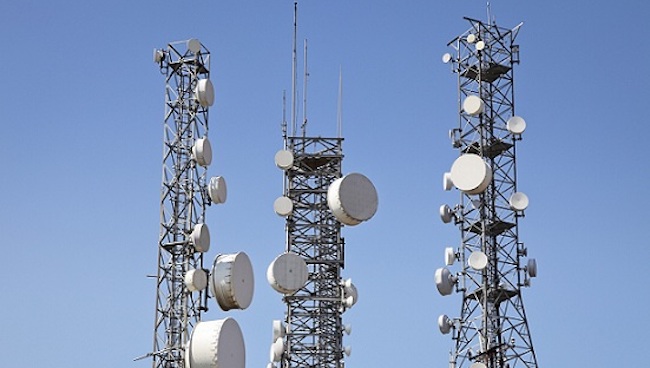
The sector is dominated by major players such as MTN, Airtel, and Globacom (Glo), whose services reach millions of Nigerians daily. These companies have invested heavily in expanding network coverage and improving service quality. However, the economic headwinds of recent years, particularly inflation and currency instability, have strained their operational budgets, threatening the sustainability of investments and service delivery.
As Nigeria’s population grows and digital services expand, maintaining a robust telecom infrastructure is vital. Yet, the increasing cost of doing business has sparked calls from operators for tariff revisions to ensure they can continue providing quality services without compromising network reliability.
Operational Cost Pressures Driving the Tariff Hike
The primary driver behind the NCC’s approval of the tariff increase is the sharp rise in operational expenses faced by telecom companies. Inflation in Nigeria has surged, pushing up costs for fuel, equipment, and personnel. Notably, the removal of fuel subsidies in 2023 led to a significant spike in diesel prices, which is critical for powering base stations, especially in areas with unreliable electricity supply.
Additionally, the devaluation of the Nigerian naira has increased the cost of importing telecom infrastructure and devices. Many of the components used in network maintenance and expansion are sourced internationally, making operators vulnerable to exchange rate fluctuations. This has translated into higher capital expenditure and maintenance costs.
Labour costs have also risen as operators strive to retain skilled talent amidst a competitive market. The combined effect of these factors has placed considerable financial pressure on telecom companies, prompting urgent appeals for tariff adjustments to remain viable.
NCC’s Deliberation and Decision-Making Process
The NCC initially faced a delicate balancing act in considering the tariff hike. While operators lobbied for increases exceeding 100% to fully offset their rising costs, the commission was mindful of the potential backlash from consumers already struggling with inflation and a high cost of living.
After extensive consultations with stakeholders, including telecom companies, consumer groups, and government representatives, the NCC settled on a moderated 50% increase. This compromise aimed to alleviate financial strain on operators without excessively burdening subscribers.
The commission’s public affairs director, Reuben Muoka, emphasized that the adjustment was a necessary step to ensure the sustainability of telecom services. He highlighted the NCC’s commitment to maintaining affordable access while supporting the industry’s growth and resilience in challenging economic conditions.
Impact on Telecom Subscribers and Consumer Advocacy
The approved tariff hike has led to immediate price adjustments across voice calls, SMS, and data services. For example, the cost of a one-minute call has risen from N12 to N18, and the price of 1GB of data has increased from N500 to N750. These changes affect millions of Nigerians who rely heavily on mobile communication for personal and business activities.
Consumer advocacy groups have expressed concern that the tariff increase will exacerbate financial pressures on households and small businesses, many of which operate on tight budgets. They argue that higher telecom costs could limit digital inclusion and access to essential services, especially among low-income populations.
In response, some consumer organizations have called for government interventions to provide subsidies or promote competition that could help moderate prices. They also urge the NCC to continue monitoring the impact of the tariff change and ensure transparency in how operators apply the new rates.
Telecom Operators’ Perspectives and Future Outlook
Telecom companies have largely welcomed the NCC’s decision as a positive step toward financial sustainability, though some executives caution that a 50% increase may not fully resolve all operational challenges. An anonymous senior executive noted the importance of ongoing dialogue with the regulator to address evolving cost dynamics and market conditions.
Operators are also focusing on enhancing service quality, expanding network reach, and investing in new technologies such as 5G to stay competitive. The tariff adjustment is expected to provide some relief that enables continued capital expenditure and innovation.
Looking ahead, industry leaders anticipate further regulatory engagement to balance affordability with the need for robust infrastructure. They emphasize that sustainable pricing models are critical to supporting Nigeria’s digital transformation ambitions and ensuring long-term sector growth.
Broader Economic Implications of the Tariff Increase
The telecom tariff hike reflects broader economic challenges facing Nigeria, including inflationary pressures, currency instability, and energy cost volatility. These factors impact not only the telecom sector but also other industries reliant on infrastructure and imported goods.
As telecom services underpin many aspects of Nigeria’s economy—from e-commerce to education and financial services—the cost increase may ripple through various sectors. Businesses may face higher communication costs, which could translate into increased prices for goods and services.
However, stabilizing the telecom industry through tariff adjustments is also critical to preventing network degradation that could hinder economic productivity. Ensuring reliable connectivity supports innovation, job creation, and access to information, which are vital for Nigeria’s growth trajectory.
Regulatory and Policy Considerations Moving Forward
The NCC’s decision sets a precedent for periodic tariff reviews aligned with economic realities. Going forward, transparent and data-driven regulatory frameworks will be essential to balance operator needs with consumer protection.
Policymakers may also explore complementary measures such as incentivizing investment in renewable energy to reduce dependence on costly diesel fuel or encouraging local manufacturing of telecom equipment to mitigate import-related expenses.
Moreover, fostering increased competition in the telecom sector could help moderate prices and improve service quality. The government and regulator will need to collaborate closely with industry stakeholders to create an enabling environment that supports sustainable growth and affordability.
Conclusion
The Nigerian Communications Commission’s approval of a 50% telecom tariff hike represents a critical response to the mounting operational challenges faced by network operators in a difficult economic landscape. This measured increase seeks to ensure the sustainability of telecom infrastructure and service quality while recognizing the financial realities of Nigerian consumers. Moving forward, a collaborative approach involving regulators, operators, policymakers, and consumer advocates will be essential to maintain a vibrant, accessible telecom sector. Balancing affordability with industry viability remains a complex but vital task as Nigeria continues its journey toward digital transformation and economic resilience.