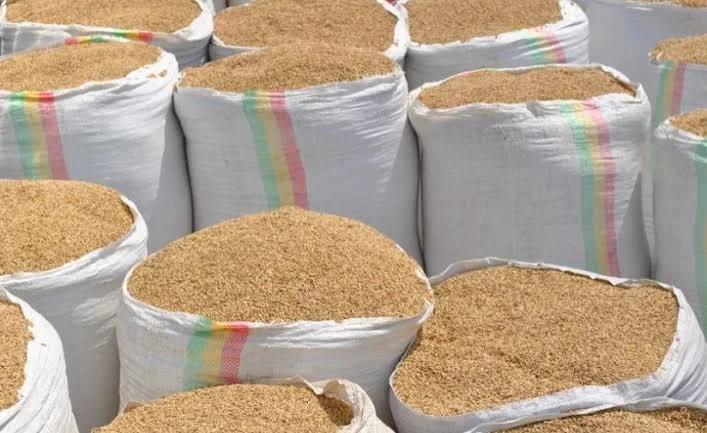

Rice is a staple food in Nigeria, consumed in virtually every household across the country. Despite the abundant arable land and favorable climatic conditions, local rice production struggles to meet national demand. The Rice Farmers Association of Nigeria (RIFAN) and other stakeholders have raised alarms over the crippling challenges facing rice farmers, including sabotage by unscrupulous elements and ineffective government policies. This article delves into the multifaceted issues undermining local rice production, the impact on prices, and potential solutions to revitalize the sector.
The Current State of Local Rice Production in Nigeria
Nigeria boasts an estimated annual local rice production capacity of 8.44 million tonnes. However, this output falls short of satisfying the country’s growing demand, resulting in the importation of about two million metric tonnes of rice annually. The reliance on imports makes Nigeria one of the largest rice importers globally, exposing the country to foreign exchange fluctuations and supply chain vulnerabilities.
Local rice production is concentrated mainly in the southern and middle-belt regions where climatic and soil conditions are favorable. Despite this, many farmers lament that their efforts are often undermined by poor access to quality inputs, inadequate mechanization, and fluctuating government support. These limitations reduce productivity and exacerbate the shortfall between supply and demand.
The discrepancy between local production and consumption has led to a persistent rise in rice prices. Between the second quarter of 2023 and early 2024, the price of a 50kg bag of rice surged from an average of 52,000 to 55,000 Naira to between 75,000 and 85,000 Naira, depending on the rice species. This price hike has intensified calls for urgent interventions to revitalize local production.
Challenges Faced by Local Rice Farmers
Farmers in Nigeria face several obstacles, including limited access to affordable and high-quality farming inputs such as seeds, fertilizers, and machinery. The lack of direct supply channels means that inputs often get diverted or sold at inflated prices, limiting farmers’ capacity to increase yields effectively.
Another significant challenge is the interference by unscrupulous elements who deliberately frustrate local rice production. According to RIFAN Chairman Mr. Raphael Hunsa, these actors are motivated by interests in maintaining rice importation, which undermines efforts to promote domestic cultivation and stabilize prices.
Infrastructural deficits such as poor irrigation facilities, inadequate storage, and processing plants further constrain productivity. Without proper storage, farmers suffer post-harvest losses, reducing the volume of rice that reaches the market. Additionally, limited mechanization results in labor-intensive farming practices, increasing production costs and limiting scalability.
Government Policies and Their Impact on Rice Production
The Nigerian Federal Government has implemented various policies aimed at boosting local rice production, including tax waivers on rice imports, subsidies for farmers, and investment in agricultural mechanization. While these initiatives have had some positive effects, stakeholders argue that more direct and transparent support is necessary to achieve sustainable growth.
The tax exemption on rice imports, which lasted for about six months, temporarily lowered rice prices but did not address the core issues affecting local production. Farmers’ associations emphasize that reliance on import tax waivers is not a long-term solution and that empowering local farmers is critical to stabilizing prices.
A recurring concern is the misdirection of government inputs and machinery, which often do not reach the intended beneficiaries. Mr. Hunsa has called for direct provision of support to farmers, accompanied by proper monitoring to ensure resources are used effectively. Such transparency would help curb corruption and enhance production capacity.
The Role of Farmers’ Associations in Shaping Agricultural Policies
Farmers’ associations like RIFAN and the All Farmers Association of Nigeria (AFAN) play a crucial role in advocating for the interests of local rice producers. They serve as vital stakeholders who can provide insights into the practical challenges faced on the ground and propose feasible policy measures.
Mr. Femi Oke, Chairman of AFAN’s Southwest and Lagos State chapters, stresses the need for the Federal Government to involve farmers’ associations in policy formulation. Without their input, government decisions risk missing the mark and failing to address the true causes of production inefficiencies and price instability.
By engaging these associations in dialogue and decision-making, the government can develop more inclusive and effective strategies. This collaboration can help ensure that subsidies, tax policies, and empowerment programs align with farmers’ actual needs, fostering a more resilient rice production sector.
Economic and Social Implications of Rice Price Hikes
Rice price surges have far-reaching implications for Nigerian households, especially low- and middle-income families. As rice is a dietary staple, increased prices strain household budgets, forcing many to reduce consumption or switch to less preferred alternatives, affecting nutrition and food security.
The inflationary pressure on rice also impacts the broader economy, contributing to overall food inflation and reducing purchasing power. High food prices can exacerbate poverty levels and trigger social unrest, underscoring the importance of stabilizing the rice market.
For farmers, while higher prices might seem beneficial, the instability and unpredictability of the market create planning challenges. Without consistent support and infrastructure, farmers cannot scale production to meet demand sustainably, perpetuating the cycle of shortages and price volatility.
Strategies to Boost Local Rice Production
To revitalize local rice production, a multi-pronged approach is necessary. First, the government must ensure that agricultural inputs and machinery reach farmers directly, accompanied by effective monitoring to prevent diversion. This will enhance productivity and reduce production costs.
Investment in irrigation infrastructure and mechanized farming tools can help reduce post-harvest losses and improve yield quality. Training programs to educate farmers on modern agricultural techniques and pest management also hold potential to increase output substantially.
Furthermore, facilitating access to affordable credit and financial services will empower farmers to invest in their farms and scale operations. Encouraging public-private partnerships can also help develop processing and storage facilities, reducing wastage and improving market supply.
Harnessing Nigeria’s Agricultural Potential for Food Security
Nigeria’s vast arable land offers immense potential for expanding rice cultivation. However, this potential remains underutilized due to urbanization trends and a shift in focus towards real estate development, often at the expense of agriculture.
Reversing this trend requires concerted efforts to rebrand farming as a lucrative and viable career for the youth. Providing incentives such as land access, technology, and market linkages can attract young entrepreneurs into the rice farming sector.
Achieving food security through enhanced local production will reduce dependency on imports, conserve foreign exchange, and create employment opportunities. It will also contribute to rural development and poverty alleviation, aligning with Nigeria’s broader economic goals.
Conclusion
The plight of rice farmers in Nigeria highlights the urgent need for comprehensive reforms in the agricultural sector. While the government has made strides in supporting local production, more targeted and transparent interventions are necessary to overcome persistent challenges. Empowering farmers with the right inputs, infrastructure, and policy support will not only stabilize rice prices but also strengthen Nigeria’s food security and economic resilience. By fostering collaboration among all stakeholders and fully utilizing the country’s agricultural potential, Nigeria can transform its rice production landscape and reduce dependency on costly imports.