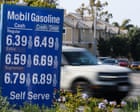

As gas prices continue to fluctuate globally, U.S. Senator Marco Rubio recently commented on the current state of fuel costs in America, emphasizing that despite high prices, the United States remains 'fortunate' compared to other countries suffering more severe economic impacts. This perspective sheds light on the broader energy crisis affecting the world, driven by geopolitical tensions, supply chain disruptions, and inflationary pressures. Understanding Rubio’s viewpoint requires a detailed exploration of the factors influencing gas prices domestically and internationally, the impact on consumers, and potential paths forward for energy policy.
Marco Rubio’s Perspective on U.S. Gas Prices
Senator Marco Rubio recently addressed the issue of rising gas prices in the United States, acknowledging the financial strain on American consumers. However, he emphasized that the situation could be far worse, especially when compared to the experiences of other countries grappling with even higher energy costs. Rubio’s comments highlight a comparative advantage for the U.S., rooted in domestic energy production and market dynamics.
Rubio pointed out that while U.S. drivers are feeling the pinch at the pump, many nations are facing 'big time' struggles due to extreme fuel price hikes. This contrast underscores the resilience of the U.S. energy market and its ability to mitigate some of the shocks caused by global disruptions. The senator’s remarks aim to provide context and reassurance amid public concern over inflation and cost of living increases.
By framing the U.S. gas price situation as relatively fortunate, Rubio also implicitly supports policies favoring expanded domestic energy production and infrastructure improvements. His stance suggests a focus on leveraging America’s energy resources to maintain price stability and economic security for consumers.
Global Energy Crisis: Causes and Consequences
The current global energy crisis stems from a combination of factors, including geopolitical conflicts, supply chain interruptions, and rising demand as economies recover from the COVID-19 pandemic. Notably, tensions involving major oil-producing countries have disrupted supply flows, contributing to volatility in international fuel markets.
Countries heavily reliant on imported oil and gas have been disproportionately affected, facing skyrocketing costs that have exacerbated inflation and economic hardship. This has led to widespread protests and policy challenges as governments seek to shield their populations from the worst impacts of energy price shocks.
The crisis has also accelerated the global conversation on energy transition, with increased urgency around developing renewable sources and reducing dependence on fossil fuels. However, the short-term reality remains one of constrained supply and high prices, complicating economic recovery efforts worldwide.
Why U.S. Gas Prices Are Not Even Worse
Several factors contribute to why U.S. gas prices, while high, have not reached the extreme levels seen elsewhere. The United States benefits from substantial domestic oil and natural gas production, which provides a buffer against international supply disruptions. This energy independence helps stabilize prices compared to countries more dependent on imports.
Additionally, the U.S. has a relatively advanced and diversified energy infrastructure, including pipelines, refineries, and storage facilities that support efficient distribution and reduce bottlenecks. This infrastructure resilience plays a critical role in preventing price spikes from reaching catastrophic levels.
Government policies, such as strategic petroleum reserves and regulatory measures, also provide tools to manage supply and demand dynamics. While these mechanisms are not foolproof, they contribute to mitigating the worst effects of global market fluctuations on American consumers.
Impact of High Gas Prices on American Consumers
Rising gas prices have a direct impact on household budgets, increasing the cost of commuting, goods transportation, and overall living expenses. For many Americans, particularly those in lower-income brackets or rural areas, these costs can strain finances and limit discretionary spending.
The ripple effects extend beyond individual consumers to businesses reliant on transportation, such as logistics companies and retailers, which may pass increased costs onto customers. This contributes to broader inflationary pressures in the economy, affecting food prices, consumer goods, and services.
Despite these challenges, some analysts argue that higher fuel prices also incentivize energy conservation and investment in alternative transportation modes, potentially accelerating the adoption of electric vehicles and public transit solutions.
Comparing U.S. Gas Prices with Other Countries
When compared internationally, U.S. gas prices remain relatively moderate. Countries in Europe, for example, have experienced far higher fuel costs due to heavier taxation, less domestic production, and greater exposure to geopolitical disruptions. Some nations have seen prices double or triple in recent months.
Emerging economies, particularly those dependent on oil imports, face acute challenges as high fuel prices strain national budgets and exacerbate poverty. In some cases, governments have been forced to reduce subsidies or implement austerity measures, leading to social unrest.
Rubio’s comments underscore this disparity, highlighting that while Americans feel the pinch, the severity of the energy crisis abroad is significantly worse. This international perspective is crucial for contextualizing domestic debates on energy policy and economic resilience.
Policy Responses and Future Outlook
In response to rising gas prices, U.S. policymakers are exploring a range of options, including increasing domestic energy production, releasing strategic reserves, and investing in renewable energy technologies. These measures aim to balance immediate relief with long-term sustainability goals.
Senator Rubio and other lawmakers advocate for expanding oil and gas exploration and production to reduce dependency on foreign imports and enhance market stability. Critics, however, emphasize the need to accelerate the transition to cleaner energy to address climate change and future-proof the economy.
Looking ahead, the interplay between geopolitical events, technological advancements, and policy decisions will shape the trajectory of gas prices. While volatility is expected to continue, strategic investments and diversified energy sources may help mitigate risks over time.
Consumer Strategies to Cope with High Gas Prices
Amid rising fuel costs, American consumers are adopting various strategies to manage expenses. These include carpooling, using public transportation, and shifting to more fuel-efficient or electric vehicles. Behavioral changes like reducing non-essential travel are also common.
Some consumers are leveraging technology, such as apps that track gas prices to find the cheapest stations nearby. Additionally, increased interest in home-based work arrangements has reduced commuting needs, indirectly lowering fuel consumption for many households.
Financial planning and budgeting adjustments are critical as families prioritize essential expenses. Understanding energy consumption patterns and adopting conservation measures can help mitigate the impact of high gas prices on personal finances.
The Role of Media and Public Discourse
Media coverage plays a significant role in shaping public perception of gas prices and energy policy. Senator Rubio’s live remarks were widely reported, emphasizing the comparative advantage of the U.S., which offered a more nuanced view than some headlines focusing solely on rising costs.
Public discourse often reflects broader political and ideological divides, with debates centering on the balance between energy independence, environmental concerns, and economic priorities. Effective communication is essential to foster informed discussions and policy consensus.
Transparency and accurate information about the causes and consequences of gas price fluctuations help consumers and policymakers make better decisions. Rubio’s comments contribute to this dialogue by providing context that may otherwise be overlooked.
Conclusion
Senator Marco Rubio’s assertion that the United States is 'fortunate' amid high gas prices underscores the complex realities of the global energy crisis. While American consumers face undeniable challenges, the nation’s energy resources and infrastructure provide a relative cushion compared to the harsher impacts seen worldwide. Moving forward, balanced policy approaches that combine immediate relief with sustainable energy development will be crucial. Consumers, policymakers, and the media all play vital roles in navigating this multifaceted issue, ensuring the U.S. remains resilient in the face of ongoing global uncertainties.
Originally reported by theguardian.com. Adapted for our readers.