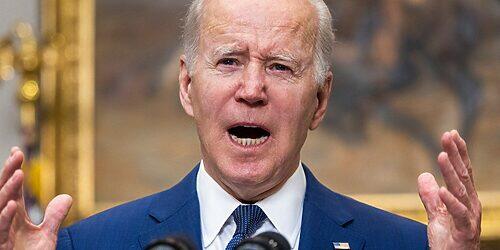

As inflation continues to impact the daily lives of Americans, President Joe Biden has stepped forward to encourage economic self-assurance. Speaking from Rehoboth Beach, Delaware, Biden acknowledged the real struggles families face with rising costs, especially for essentials like gasoline and food. However, he emphasized the strength of the U.S. labor market and the broader economy's capacity to overcome these challenges. This article explores Biden's message, the current economic conditions, and the political dynamics shaping the nation's financial landscape amid inflationary pressures.
Acknowledging Public Anxiety Amid Inflation
President Biden openly recognized the anxiety many Americans feel due to soaring prices, particularly for gasoline and food. Speaking from Delaware, he expressed empathy for families struggling to manage their budgets in the face of persistent inflation. This acknowledgment serves to connect with the public’s concerns and validate their experiences during an economically turbulent period.
The president’s message underscored that while inflation is a genuine hardship, there remains a solid foundation for economic optimism. Biden stressed that despite the high costs, there are valid reasons for Americans to maintain confidence in the country’s economic trajectory. This balance of realism and reassurance is key to fostering public trust.
Biden’s approach highlights the administration’s awareness of the inflationary impact on everyday life, setting the stage for policy responses aimed at mitigating these pressures. By openly addressing the issue, the president aims to bridge the gap between economic data and the lived realities of many households.
Robust Job Market Fuels Economic Confidence
Recent labor data supports the administration’s optimistic outlook. Nonfarm payrolls increased by 390,000 in May, surpassing economists’ median expectations of 318,000, according to a Labor Department report. This robust job growth indicates that the economy is continuing to expand despite inflationary headwinds and rising interest rates.
The unemployment rate held steady at 3.6%, and labor force participation saw a slight increase, signaling ongoing strength in the job market. This resilience is particularly notable given the Federal Reserve's aggressive interest rate hikes aimed at cooling inflation, which typically slow hiring.
Biden has repeatedly cited the strong labor market as evidence that his economic policies have helped the nation recover from the pandemic downturn. The administration points to this historic recovery as a foundation for future growth and a reason for Americans to maintain confidence in the economy.
Inflation’s Impact on American Families
Despite positive employment figures, inflation remains the most significant economic challenge for many Americans. Rising prices for gasoline and food have strained household budgets, making it harder for families to afford basic necessities. This has contributed to widespread public dissatisfaction with the economy and the administration’s handling of it.
Supply chain disruptions and labor shortages have exacerbated inflationary pressures, leading to shortages of certain goods and further driving up costs. The Biden administration has implemented various measures to alleviate these issues, but progress has been slow and uneven.
Public opinion polls reflect the tension between economic optimism and inflation-related frustrations. While job growth is strong, many voters remain concerned about their financial security, which poses political risks for the president and his party ahead of the midterm elections.
Political Challenges and Congressional Dynamics
Biden’s economic agenda faces significant hurdles in Congress, where narrow Democratic majorities and opposition from key figures like Senator Joe Manchin have stalled several proposals aimed at addressing inflation and economic inequality. This legislative gridlock complicates efforts to provide additional relief to struggling families.
The president has called on Congress to act decisively to support working households during this period of high prices. He emphasizes that while the administration is doing all it can, meaningful progress requires bipartisan cooperation and legislative action.
Republican opposition has focused on criticizing Biden’s handling of the economy and opposing tax proposals, including a contentious plan suggested by Senator Rick Scott that would require all Americans to pay some federal income tax. This political tug-of-war highlights the challenges of enacting economic reforms in a polarized environment.
Federal Reserve’s Role in Managing Inflation
The Federal Reserve has responded to inflation by raising interest rates at an accelerated pace, aiming to slow demand and bring prices under control. While these measures are necessary to stabilize the economy, they also risk slowing economic growth and increasing unemployment if implemented too aggressively.
Biden’s administration has expressed support for the Fed’s efforts, recognizing that taming inflation is critical for long-term economic health. However, the administration also stresses the importance of balancing monetary policy with fiscal measures to protect vulnerable Americans from the adverse effects of higher borrowing costs.
The interplay between fiscal policy and Federal Reserve actions will be crucial in determining the trajectory of inflation and economic growth in the coming months. Close coordination and careful monitoring will be essential to avoid unintended consequences.
Strategies to Enhance Economic Self-Assurance
Biden has urged Americans to maintain confidence in the economy’s fundamentals, highlighting the nation’s resilience and capacity for recovery. By focusing on strong labor markets and ongoing policy efforts, the administration seeks to reassure the public that challenges like inflation are temporary and manageable.
Investments in infrastructure, clean energy, and workforce development are part of the administration’s broader strategy to create sustainable economic growth and reduce vulnerabilities exposed by the pandemic. These initiatives aim to strengthen the economy’s foundation and improve living standards over time.
The president also emphasizes the importance of fiscal responsibility and targeted support for working families. Programs addressing childcare, education, and health care are designed to ease financial burdens and enhance economic stability for millions of Americans.
Public and Political Reactions to Economic Policies
Public response to Biden’s economic message has been mixed. While some Americans appreciate the administration’s efforts and the strong job market, many remain frustrated by persistent inflation and the high cost of living. This divide is reflected in polling data and ongoing political debates.
Republican leaders have criticized Biden’s handling of the economy, pointing to record-high gasoline prices and inflation as evidence of failed policies. GOP figures have used the president’s public appearances, such as his Rehoboth Beach remarks, to reinforce their critiques and rally opposition ahead of elections.
Democrats, meanwhile, defend the administration’s record by emphasizing the unprecedented recovery from the pandemic recession and the progress made in creating jobs and reducing unemployment. The political battle over economic narratives will likely intensify as midterms approach.
Looking Ahead: Economic Outlook and Policy Priorities
The economic outlook remains cautiously optimistic despite ongoing inflation concerns. Continued job growth and labor market resilience provide a strong foundation, but managing inflation without stifling growth will be a delicate balancing act for policymakers.
Biden’s administration is expected to continue advocating for policies that support working families, improve supply chains, and invest in long-term economic competitiveness. Legislative success will depend heavily on bipartisan cooperation and political will amid a divided Congress.
Ultimately, the ability of the U.S. economy to navigate these challenges will shape public confidence and political fortunes. Maintaining economic self-assurance while addressing inflationary pressures will be critical to sustaining growth and improving Americans’ quality of life.
Conclusion
President Biden’s call for economic self-assurance amid inflation challenges reflects a nuanced understanding of the current economic landscape. While acknowledging the real struggles faced by American families, the administration highlights a robust labor market and ongoing policy initiatives aimed at fostering recovery and growth. Navigating inflation, political opposition, and global uncertainties will require continued vigilance and cooperation. Ultimately, maintaining public confidence and implementing strategic economic policies will be critical to ensuring a stable and prosperous future for the United States.