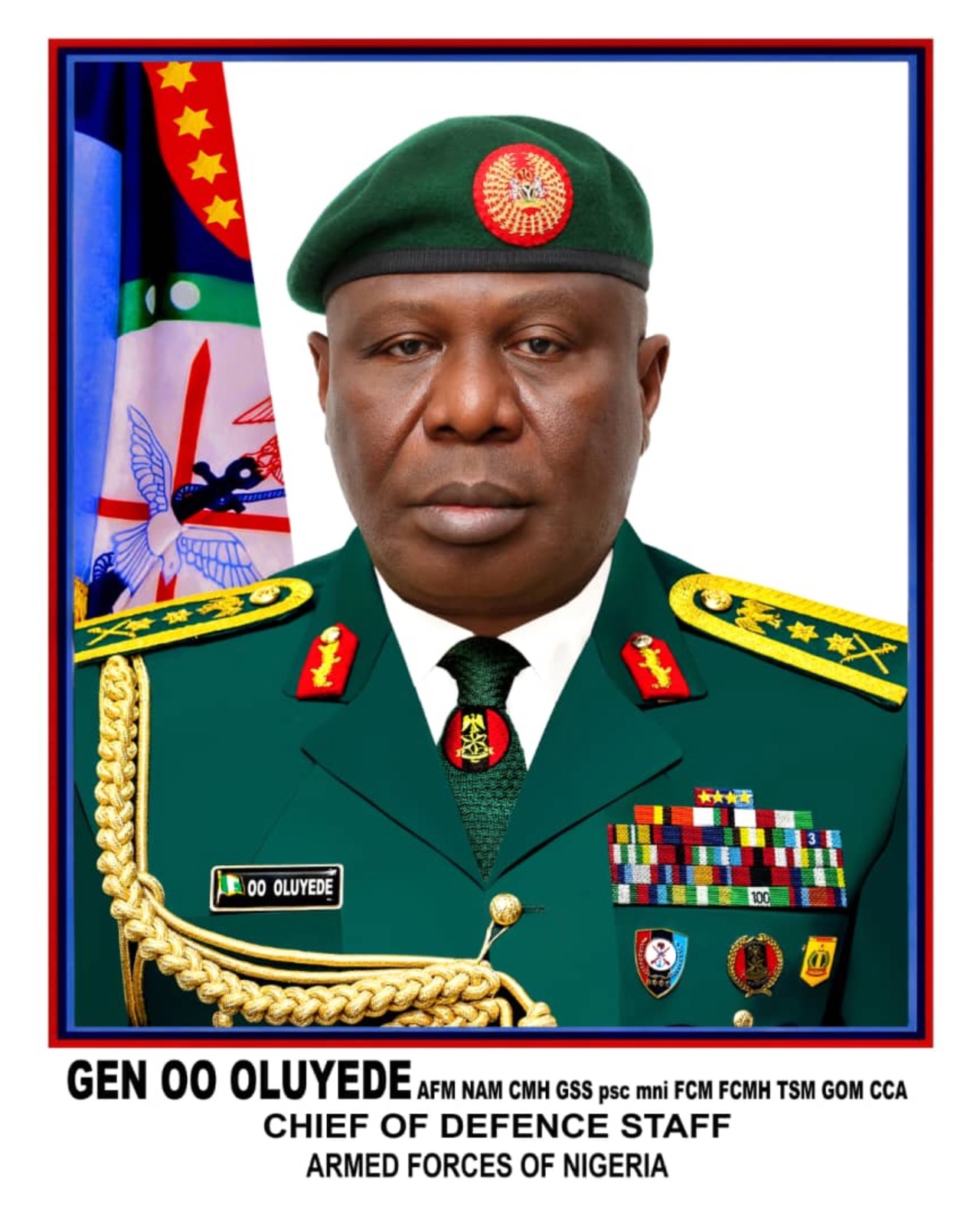

The year 2025 marked a pivotal chapter in Nigeria’s fight against terrorism, banditry, and kidnapping. Under the command of Chief of Defence Staff General Olufemi Oluyede, the Armed Forces orchestrated a series of decisive operations that crippled terrorist leadership and significantly reduced criminal activities throughout the country. Over 2,300 hostages were rescued, and hundreds of terror suspects were arrested or neutralized, showcasing the military’s enhanced capabilities and commitment to restoring peace and security. This article delves into the multi-regional military campaigns, key outcomes, and strategic approaches that defined Nigeria’s security landscape in 2025.
Strategic Overview of 2025 Military Operations
Throughout 2025, the Nigerian Armed Forces executed comprehensive operations targeting terrorist and criminal elements across various regions, including the North-East, North-West, North-Central, South-South, and South-East. These coordinated efforts were underpinned by intelligence-led strategies, improved equipment, and collaboration with international partners, enabling precision strikes and effective ground maneuvers.
The Defence Headquarters (DHQ) in Abuja provided regular updates on the progress of these operations, emphasizing the integration of air, land, and intelligence assets. This multi-dimensional approach allowed forces to dismantle entrenched terror networks and disrupt their operational capabilities, particularly in volatile regions plagued by Boko Haram, ISWAP, bandits, and separatist insurgents.
The year’s successes underscore the military’s evolution in counter-terrorism tactics, including leveraging technology, enhancing inter-agency cooperation, and conducting joint operations with foreign allies. These strategic enhancements played a critical role in neutralizing high-profile terrorist commanders and rescuing thousands of hostages.
Neutralizing Top Terrorist Leaders: Decisive Targeted Actions
One of the hallmark achievements of 2025 was the neutralization of numerous top terrorist figures who had long destabilized Nigeria’s security. The military successfully eliminated notorious commanders such as Aminu Kanawa, Abu Dan Shehu Jabbi, and Abba Allai (Amirul Khalid of Alafa), among others. These targeted operations disrupted leadership hierarchies within terror groups, significantly degrading their operational effectiveness.
The elimination of these leaders was achieved through coordinated intelligence gathering, surveillance, and precision strikes, often involving special forces and aerial bombardments. By focusing on leadership decapitation, the military aimed to create disarray within terror cells, curtailing their ability to plan and execute attacks.
Moreover, the military apprehended thousands of suspects linked to terrorism, banditry, and kidnapping, further dismantling the networks supporting insurgency. The arrests and surrenders of over 1,600 terrorists and their families contributed to weakening terror group recruitment and resource channels.
Hostage Rescue Operations: Saving 2,336 Lives
A critical component of the 2025 military campaign was the successful rescue of 2,336 hostages held by various terrorist and bandit groups. These operations were tactically complex, requiring detailed planning to ensure the safety of captives while neutralizing hostage-takers without collateral damage.
Rescue missions were conducted across multiple regions, with the North-East and North-West recording the highest numbers of freed captives. Troops under Operation Hadin Kai and Operation FANSAN YAMMA led these efforts, employing rapid assault techniques and leveraging local intelligence to locate and liberate victims.
The successful rescues not only saved thousands of lives but also dealt a psychological blow to criminal groups who relied heavily on kidnapping as a revenue source. These outcomes boosted public confidence in the military’s ability to protect citizens and restore order.
Regional Successes: North-East Operations Against Boko Haram and ISWAP
In the North-East, Operation Hadin Kai remained the primary military effort combating Boko Haram and the Islamic State West Africa Province (ISWAP). Despite the adversaries’ reliance on guerrilla tactics and improvised explosive devices, Nigerian troops steadily degraded their capabilities throughout 2025.
The operation led to the arrest of 1,323 suspects and the rescue of 498 kidnapped individuals. Large caches of arms, ammunition, and vehicles were seized, disrupting the logistical supply chains of terror groups. The military’s persistent pressure forced insurgents into isolated, less frequent attacks, diminishing their territorial influence.
This region’s progress exemplifies the importance of sustained military presence, community engagement, and intelligence sharing in counter-insurgency. The collaboration with local vigilante groups and humanitarian agencies further enhanced operational effectiveness.
Combating Banditry and Kidnapping in the North-West
The North-West region, plagued by banditry and kidnapping, witnessed significant military gains during Operation FANSAN YAMMA. Troops focused on securing porous borders and dismantling criminal networks that exploited the terrain to conduct raids and abductions.
In 2025, 669 suspects were arrested, and 966 hostages were rescued in this region, highlighting the operation’s success in curbing violent crimes. Enhanced intelligence capabilities and deployment of modern equipment facilitated precision strikes, reducing collateral damage and improving civilian safety.
Notably, joint Nigeria-United States airstrikes targeted ISIS enclaves in Sokoto State’s Bauni Forest, neutralizing foreign fighters attempting infiltration. These precision strikes demonstrated the value of international cooperation in addressing transnational terror threats.
Stabilization Efforts in North-Central and South-South Regions
Operations Enduring Peace and Whirl Stroke in the North-Central region tackled terrorism, banditry, and farmer-herder conflicts, which had created instability in states like Benue, Kogi, and Plateau. The military neutralized numerous extremists, arrested 1,261 suspects, and rescued 755 hostages, contributing to relative peace restoration.
In the South-South, Operation Delta Safe focused on curbing oil theft and pipeline vandalism, which fuel criminal economies. The operation thwarted oil theft worth N8.9 billion, recovered over 16.6 million litres of stolen crude, and destroyed 503 illegal refineries, severely disrupting illicit oil activities.
These stabilization efforts not only improved security but also protected vital economic resources and infrastructure. The arrest of 778 suspects and rescue of kidnapped victims further underscored the military’s comprehensive approach to security challenges.
Curtailing Separatist Extremism in the South-East
In the South-East, Operation Udo Ka was instrumental in limiting the activities of the proscribed Indigenous People of Biafra (IPOB) and its Eastern Security Network (ESN). Amid rising separatist extremism, the military neutralized scores of militants, arrested 324 suspects, and rescued 64 kidnapped individuals.
The operation also recovered significant quantities of weapons and ammunition, disrupting the militants’ capacity for violence. This proactive stance helped to restore order and prevent the escalation of insurgency in the region.
By combining military pressure with community engagement, the operation fostered an environment conducive to dialogue and reconciliation, essential for long-term peace and stability in the South-East.
Technological Advancements and International Collaboration
A key factor in the 2025 successes was the integration of advanced technology, including GPS-guided munitions and enhanced surveillance systems, which improved operational precision and reduced civilian casualties. The deployment of 16 precision airstrikes in the North-West exemplified the military’s evolving capabilities.
International partnerships, notably with the United States, facilitated intelligence sharing and joint operations that targeted cross-border terrorist movements. These collaborations enhanced Nigeria’s capacity to address threats emanating from the Sahel and neighboring regions.
The adoption of modern equipment and training, coupled with regional cooperation, positioned Nigeria’s military as a more agile and effective force capable of confronting complex security challenges in a rapidly changing environment.
Conclusion
The military operations conducted throughout 2025 represent a monumental stride in Nigeria’s ongoing battle against terrorism, banditry, and kidnapping. Through strategic planning, technological integration, and regional cooperation, the Armed Forces dismantled key terror leadership, rescued thousands of hostages, and restored relative peace in volatile areas. These achievements underscore the importance of sustained commitment, intelligence-driven operations, and international partnerships in securing Nigeria’s future. As the nation moves forward, these successes provide a strong foundation for continued efforts to ensure safety and stability for all citizens.