
Roads policing plays a crucial role in ensuring public safety on Ireland’s roads by enforcing traffic laws, preventing dangerous driving, and reducing road-related fatalities. However, a recent independent review commissioned by Garda Headquarters has revealed alarming issues within this vital unit. The report, prompted by an anonymous whistleblower, uncovered instances of frontline gardaí openly expressing hostility towards their duties and a worrying lack of intervention from senior management when performance issues arise. These findings have sparked serious concern among Garda leadership and oversight bodies, prompting calls for urgent reforms to restore professionalism and accountability in roads policing.
Background and Context of the Roads Policing Review
The review into roads policing was initiated following anonymous correspondence from a serving garda expressing concerns about poor performance and attitudes within the unit. Garda Commissioner Drew Harris commissioned Crowe consultants to conduct an independent examination of roads policing practices nationwide. The investigation sought to assess frontline gardaí’s commitment and effectiveness in enforcing road safety laws.
The review team accompanied gardaí on duty to observe their conduct firsthand, providing an unfiltered view of day-to-day operations. This approach revealed not only operational challenges but also troubling behavioural patterns, including open hostility towards enforcement responsibilities. The findings were subsequently presented to the Policing and Community Safety Authority (PCSA) in June, highlighting systemic issues in performance management and accountability.
Roads policing duties encompass a wide range of enforcement activities, such as speed checks, mobile phone usage detection, and intoxicated driving checkpoints. These responsibilities are critical to reducing accidents and promoting safer roads. Therefore, the revelations of disinterest and hostility among some personnel have raised significant alarm about the potential impact on public safety.
Hostility and Disinterest Among Frontline Gardaí
One of the most striking findings from the review was the brazen attitude of some frontline roads policing gardaí, who were openly hostile towards performing their duties. The review team reported that even while being observed, certain members displayed a blatant disregard for their responsibilities, undermining the effectiveness of enforcement efforts.
This hostility manifested in various ways, including reluctance to engage in speed checks or conduct sobriety tests, and a general lack of enthusiasm for their roles. Such behaviour not only compromises the enforcement of traffic laws but also damages public trust in the Gardaí’s commitment to road safety.
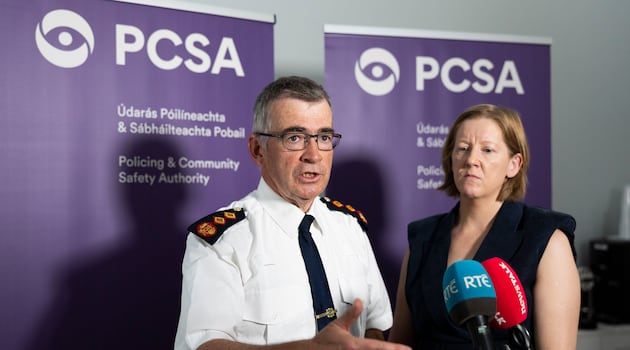
Elaine Byrne, head of the PCSA, described these attitudes as 'shocking' and a wake-up call for the entire Garda organisation. She emphasized that the open hostility towards job duties was especially concerning given that the personnel were aware they were being reviewed, indicating a deeper cultural issue rather than isolated incidents.
Senior Management’s Fear and Lack of Intervention
The review also highlighted a worrying trend among senior Garda management, who appeared reluctant or afraid to intervene when frontline officers demonstrated persistent poor performance. This fear of management has created an environment where underperformance can continue unchecked, further eroding standards within roads policing.
Managers responsible for overseeing divisions nationwide were found to be hesitant in conducting necessary performance management, often avoiding difficult conversations or disciplinary actions. This lack of accountability at the supervisory level compounds the challenges faced by frontline officers and undermines operational effectiveness.
Elaine Byrne pointed to a 'deference or fear' among some Garda managers, suggesting that apprehension about their roles prevented them from enforcing standards. This systemic issue indicates a need for significant cultural and structural reforms to empower leaders to manage their teams effectively.
Impact on Road Safety and Public Confidence
The attitudes and behaviours uncovered by the review have serious implications for road safety across Ireland. When gardaí tasked with enforcing critical traffic laws display hostility and disinterest, the risk of dangerous driving behaviours going unchecked increases, potentially leading to more accidents and fatalities.
Moreover, public confidence in the Gardaí’s ability to protect citizens on the roads may be undermined by reports of poor performance and management failures. Trust is essential for effective policing, and any perception of complacency or negligence can erode community cooperation and support.
Restoring faith in roads policing requires addressing both frontline attitudes and management practices, ensuring that all personnel understand the importance of their role in safeguarding lives and are held accountable for their performance.
Garda Commissioner Drew Harris’s Response to the Report
Garda Commissioner Drew Harris expressed his shock and concern following the review’s findings. He described the conclusions as 'sobering' and acknowledged that the revelations were deeply worrying for the force’s leadership. Harris emphasized the urgent need to address the issues to maintain the integrity of roads policing.
He detailed that a working group had been established to implement the report’s recommendations, signalling a commitment to reform. The commissioner also noted that while a minority of gardaí exhibited hostile attitudes, their impact on the overall effectiveness of roads policing was significant and could not be ignored.
Harris also announced plans to publish the full report after ensuring no individuals could be identified, promoting transparency and accountability while protecting privacy. His leadership underscored the seriousness with which the Garda is treating these findings.
Role of the Policing and Community Safety Authority (PCSA)
The PCSA plays an essential oversight role in maintaining policing standards and ensuring accountability within the Garda. Elaine Byrne, head of the authority, publicly addressed the review’s findings, emphasizing the need for urgent action to improve performance management within roads policing.
Byrne described the report as a 'wake-up call' that exposed deficiencies in both frontline conduct and managerial oversight. She stressed that the authority’s concerns extended beyond roads policing, highlighting a broader issue with performance management culture across Garda divisions.
The PCSA’s involvement ensures independent scrutiny and supports the development of strategies aimed at restoring professionalism and public confidence in policing services.
Broader Implications for Garda Culture and Policing Standards
The issues uncovered in roads policing reflect wider challenges within Garda culture relating to accountability, management, and professional standards. The reluctance of managers to enforce discipline and the open hostility from some officers suggest systemic problems that require comprehensive reform.
Addressing these cultural issues involves not only revising performance management systems but also fostering an environment where leadership is empowered, and frontline officers are motivated and supported to perform their duties effectively.
Such reforms are critical for enhancing the overall quality of policing in Ireland, ensuring that all members uphold the standards expected of them and that public safety remains paramount.
Next Steps and Future Outlook
Following the publication of the review report, the Garda leadership has committed to implementing its recommendations through a dedicated working group. This group will focus on improving performance management, training, and accountability mechanisms within roads policing.
Ongoing monitoring and independent oversight by bodies like the PCSA will be crucial in ensuring that reforms are effective and sustained. Transparent communication with the public about progress will also help rebuild confidence in the Garda’s commitment to road safety.
Ultimately, addressing the challenges highlighted in the review is vital to protecting lives on Irish roads and maintaining the integrity and trustworthiness of the Garda Síochána as a whole.
Conclusion
The recent review into roads policing has uncovered deeply troubling attitudes and management shortcomings within a critical area of Garda operations. The open hostility of some frontline gardaí towards their duties, combined with the reluctance of senior managers to enforce performance standards, poses significant risks to road safety and public confidence. Garda leadership and oversight bodies have acknowledged the severity of these findings and are taking decisive steps to implement reforms. Addressing these issues comprehensively will be essential to restoring professionalism, enhancing accountability, and ensuring that roads policing effectively protects the public. The Garda Síochána’s commitment to transparency and continuous improvement offers hope that these challenges can be overcome, securing safer roads for all Irish citizens.