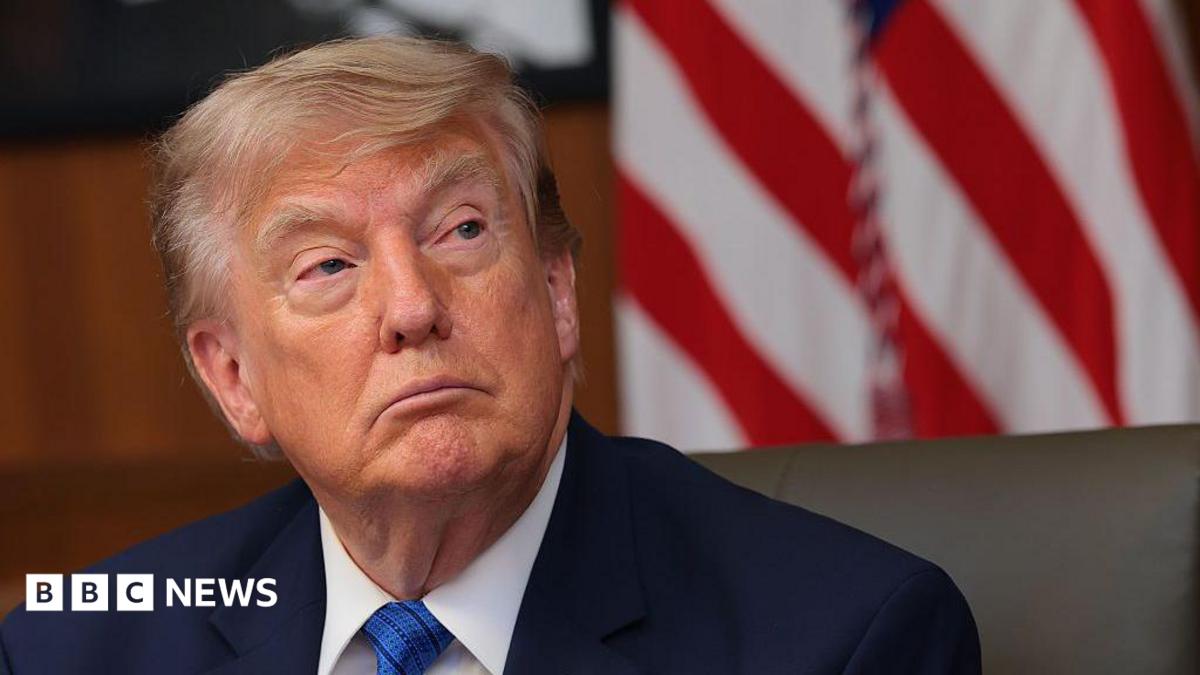

The relationship between former President Donald Trump and the late financier Jeffrey Epstein has long been a subject of scrutiny and speculation. Recently, Trump publicly stated that he ended his friendship with Epstein due to a personal betrayal involving the hiring of his employees. This revelation adds a new dimension to the complex narrative surrounding Epstein, a man accused of heinous crimes and whose death in custody sparked numerous conspiracy theories. This article explores the background of Trump and Epstein's association, the reasons behind their falling out, and the broader implications for politics and public perception.

Background of Trump and Epstein's Association

Donald Trump and Jeffrey Epstein were known to have socialized in the same elite circles during the 1990s and early 2000s, often seen together at events and luxury venues. Epstein, a wealthy financier with a controversial reputation, owned properties such as his private island and residences in New York and Florida, where Trump also had significant real estate interests.

Their relationship was highlighted by mutual attendance at social gatherings, with Trump once commenting on Epstein’s social presence in Palm Beach. However, despite their public camaraderie, the nature of their friendship was never fully transparent, leaving room for speculation.

Over time, Epstein's criminal activities came to light, particularly his involvement in sex trafficking and exploitation of minors, which severely tarnished his image. This revelation inevitably cast a shadow over those associated with him, including Trump.

Trump’s Explanation for Ending the Friendship

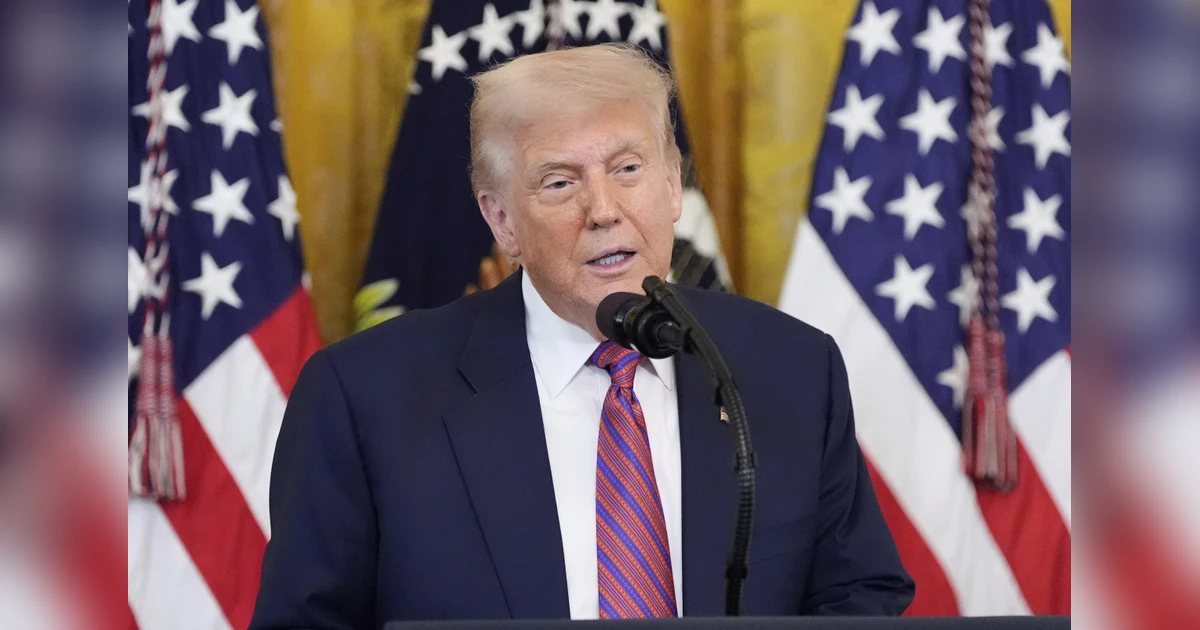
In a recent statement, Trump disclosed that his decision to sever ties with Epstein was motivated by Epstein hiring away people who had worked for him. Trump described this as a betrayal, indicating that Epstein not only recruited his employees but did so repeatedly, prompting Trump to expel Epstein from his private club in Florida.

Trump characterized this incident as the primary reason for their falling out, emphasizing that it was a matter of personal and professional integrity rather than anything related to Epstein’s criminal conduct. This explanation aimed to clarify his previous comments about ending the relationship long ago.

Despite this, Trump declined to provide specific details about the employees involved or their roles, maintaining a level of discretion. His spokesperson and the White House refrained from offering additional comments on the matter.

Epstein’s Criminal History and Death

Jeffrey Epstein was arrested in 2019 on federal charges of sex trafficking minors in New York and Florida. His case drew widespread media attention due to its high-profile nature and the involvement of numerous influential figures. Epstein’s alleged crimes painted a disturbing picture of exploitation and abuse.

While awaiting trial, Epstein was found dead in his New York jail cell, with authorities ruling his death a suicide. However, the circumstances surrounding his death fueled conspiracy theories, including skepticism about the official cause and speculation about potential cover-ups.

The fallout from Epstein’s death extended beyond his immediate case, affecting public trust in the justice system and prompting calls for transparency regarding the investigation and related documents.

Political Fallout and Public Perception

The Epstein case has been politically sensitive, with Trump and his allies facing scrutiny due to their historical connections with Epstein. Critics and political opponents have leveraged this association to question Trump’s judgment and integrity.

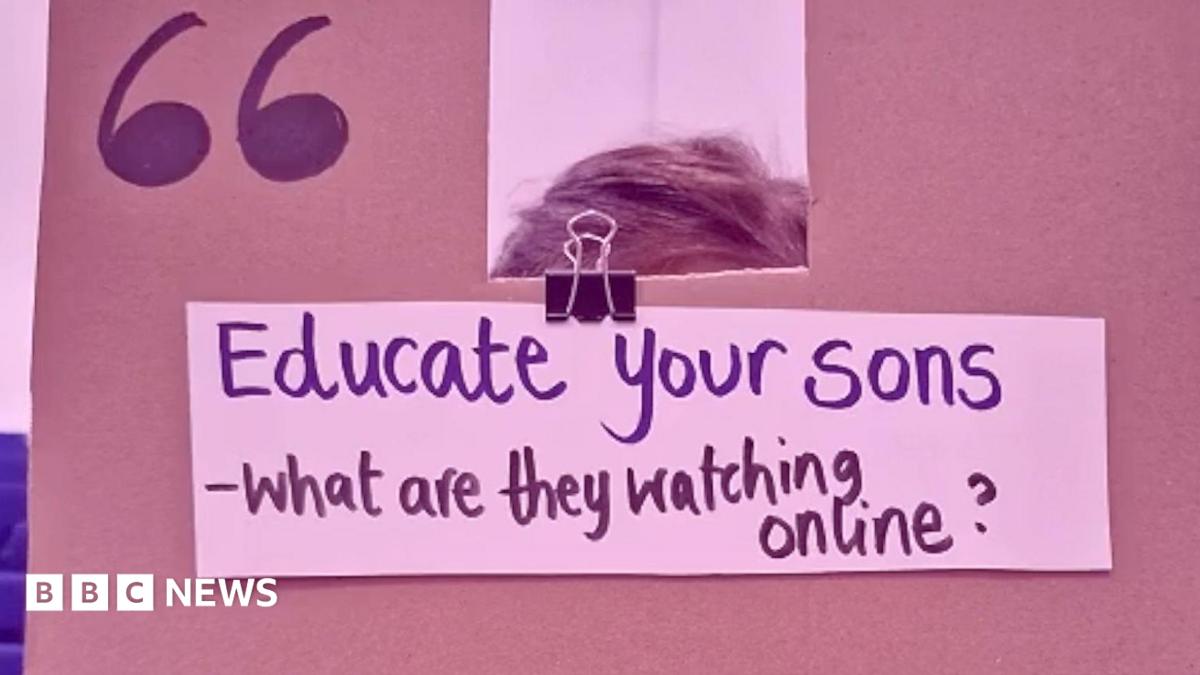
Vice President JD Vance, campaigning in Ohio, encountered protests referencing the Epstein scandal, highlighting how the issue continues to resonate with the public and influence political discourse. Protesters used slogans accusing GOP figures of protecting pedophiles, underscoring the charged atmosphere.

Trump’s administration has had to navigate the delicate balance between distancing from Epstein’s criminal legacy and addressing demands for full disclosure. This dynamic has complicated messaging strategies and public relations efforts.

Efforts Toward Transparency and Legal Proceedings

Trump recently directed Attorney General Pam Bondi to pursue the release of sealed grand jury transcripts related to the Epstein case. While one federal judge denied this request, another ruling is pending, leaving the status of these documents uncertain.

The administration has publicly committed to transparency, with officials stating that they are not shielding any information and are actively seeking additional credible evidence connected to Epstein’s activities. This stance aims to restore public confidence and demonstrate accountability.

However, the complexity of the legal process and concerns about privacy and ongoing investigations mean that full disclosure remains a challenging and potentially lengthy endeavor.

Trump’s Denial of Involvement in Epstein’s Birthday Tribute

Amidst ongoing scrutiny, Trump denied involvement in a compilation of letters and drawings celebrating Epstein’s 50th birthday, which included a controversial drawing of a woman’s body. The Wall Street Journal initially reported the existence of this tribute, attributing one letter to Trump.

Trump firmly stated that he does not create drawings of women, distancing himself from the implication and attempting to refute the report’s accuracy. This denial reflects his broader efforts to manage his public image in relation to Epstein.

Such incidents contribute to the complex narrative surrounding their relationship, where rumors and allegations intermingle with confirmed facts, making it difficult for the public to discern the full truth.

Impact on Trump’s Political Image and Legacy

The association with Epstein has been a persistent challenge for Trump’s political image, particularly given Epstein’s notoriety and the gravity of his crimes. Despite Trump’s assertions about ending the friendship years ago, the connection remains a topic of media and public interest.

For Trump supporters, the focus often shifts to his distancing from Epstein and efforts to promote transparency. Conversely, critics view the relationship as indicative of poor judgment or complicity, which they argue undermines Trump’s credibility.

This dichotomy reflects the broader polarization in American politics, where personal associations can significantly influence public perception and electoral outcomes.

Looking Ahead: The Epstein Case and Political Ramifications

As legal proceedings and investigations continue, the Epstein case remains a potent issue with potential political ramifications. The release of additional documents could shed more light on Epstein’s network and any possible connections to public figures.

Trump’s insistence on transparency and his efforts to distance himself from Epstein may influence how the case affects his future political ambitions and those of his allies. Managing the narrative will be crucial as the story develops.

Ultimately, the Epstein scandal serves as a reminder of the complex interplay between personal relationships, legal accountability, and political consequences in the high-stakes world of public life.

Conclusion

The revelation by Donald Trump that his falling out with Jeffrey Epstein was due to Epstein hiring away his employees adds a new layer to the complex and often controversial narrative surrounding their association. While Epstein’s criminal conduct and tragic death continue to dominate public attention, Trump’s explanation focuses on personal betrayal as the catalyst for ending their friendship. The Epstein case remains a significant and sensitive issue within American politics, influencing public perception and political dynamics. As legal processes unfold and more information becomes available, the full impact of this scandal on Trump’s legacy and the broader political landscape will continue to evolve.

Shout Out!!!